 0
0
 0
0
Purchasing products from international e-commerce merchants involves operational variables rarely encountered during domestic shopping. A cross-border shopper might discover a rare item at an attractive price, submit payment, and wait weeks only to receive an automated order cancellation due to inventory errors, or find their package stuck indefinitely in a foreign fulfillment center.
Distinguishing between a reliable international merchant and a high-risk seller requires looking beyond surface web design and competitive pricing. Evaluating an overseas online store requires auditing inventory synchronization accuracy, warehouse fulfillment velocity, pre-purchase customer service responsiveness, and return liability terms.
Technical Drivers of Inventory Accuracy and Allocation Notices
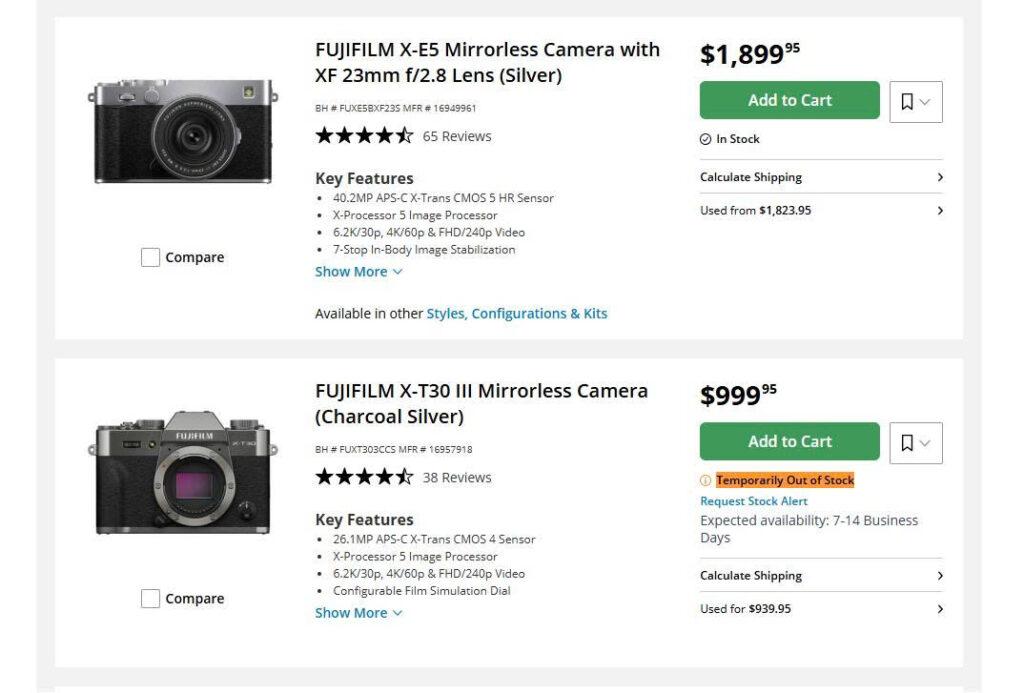
Stock accuracy represents the single most critical operational variable in cross-border e-commerce. When a seller displays phantom inventory and cancels an order post-payment, the buyer loses time, suffers tied-up capital during cross-border refund windows, and incurs foreign exchange conversion losses.
Real-Time ERP Systems versus Scheduled Batch Updates
The technical cause of stock discrepancies lies in backend database management:
- Real-Time ERP Integration: High-tier international merchants connect online storefronts directly to warehouse Enterprise Resource Planning (ERP) databases via Application Programming Interfaces (APIs). Quantity changes from physical sales or secondary marketplaces update across all channels within seconds.
- Scheduled Batch Synchronization: Low-tier sellers rely on scheduled batch updates, syncing inventory logs once or twice daily. During high-volume promotional events, hundreds of buyers can purchase items that actually sold out hours earlier, triggering mass post-payment cancellations.
Post-Checkout Allocation Notices and Review Sentiment Audits
Evaluating stock accuracy requires looking beyond generic “In Stock” labels. Reliable merchants specify physical warehouse locations (such as local regional warehouses vs supplier-managed facilities), explicit pre-order fulfillment dates, and exact numerical stock counts.
Furthermore, prospective buyers should audit recent customer review sentiment to check the frequency of out-of-stock cancellation complaints. High-tier sellers issue instant stock allocation notices immediately after checkout, confirming that physical inventory has been reserved for that specific order number.
Warehouse Handling Duration versus Courier Transit Time
Cross-border shoppers frequently confuse seller warehouse handling time with international courier transit duration.
Selecting a premium shipping option (such as DHL Express or FedEx 3-day delivery) governs transit speed only after the package leaves the warehouse. If seller warehouse staff require five to seven business days simply to pick, pack, and label an item, expedited shipping options offer little practical benefit.
| Fulfillment Phase | Operational Scope | Key Tracking Milestones |
| Warehouse Handling (Dispatch Prep) | Internal processing, payment verification, picking, and packing | “Order Confirmed” to “Handed to Courier” |
| Courier Transit (Transportation) | Customs clearance, international air freight, and final delivery | “Origin Scan” to “Delivered to Doorstep” |
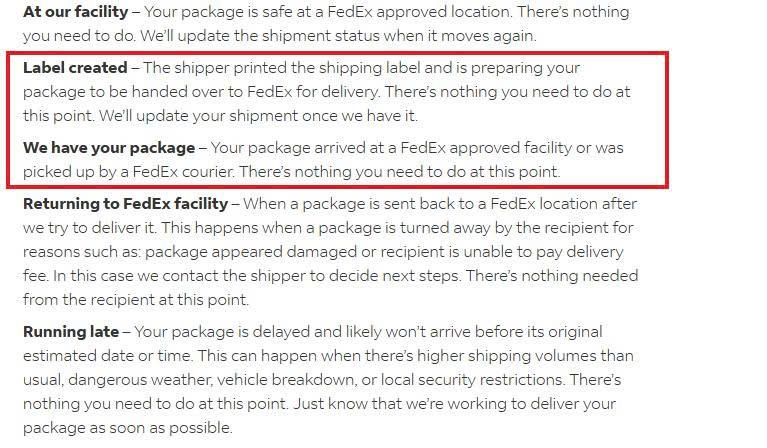
Buyers must decode tracking milestones accurately. When a seller generates a shipping label electronically, carrier tracking displays “Label Created” or “Shipment Info Received.” This status does not indicate physical shipment. A package has officially dispatched only when tracking records an “Origin Scan,” “Accepted at Facility,” or “Received by Carrier” timestamp.
Pre-Purchase Customer Support Audit Protocols and Human Representative Testing
Post-purchase customer support is the primary safeguard when international packages encounter customs holds, shipping damage, or sizing errors.
Executing a pre-purchase support test offers a reliable method for auditing merchant operations before committing funds. Buyers should submit a specific technical inquiry (such as requesting exact SKU model codes, physical warehouse locations, or specific return addresses) to the merchant customer service channel.
Evaluating support responsiveness involves monitoring two factors:
- Response Velocity: Does the merchant reply within twenty-four business hours?
- Human Accuracy versus Chatbot Loops: Does a human representative provide an accurate, tailored response, or does the system route the inquiry into an unhelpful automated chatbot loop?
A merchant demonstrating clear, accurate human support during pre-purchase inquiries is far more likely to provide efficient assistance if a parcel encounters international delivery friction.
Carrier Delay Responsibilities and Shipping Insurance Term Limits
Examining a merchant’s terms of service clarifies whether the seller or the logistics carrier takes responsibility for initiating investigations during shipping delays.
When international packages encounter tracking freezes, customs clearance holds, or mis-deliveries, low-tier merchants often refuse assistance, forcing buyers to file claims with foreign postal carriers independently. Conversely, reputable merchants directly initiate carrier investigations on behalf of the customer.
Buyers must also inspect shipping insurance coverage terms:
- Coverage Thresholds: Verifying whether default insurance covers total order values or enforces low reimbursement caps.
- Claim Filing Windows: Noting strict claim deadlines, which often require filing lost package claims within fifteen to thirty days of estimated delivery dates.
Total Cost Calculations and International Return Liability Comparisons
International returns represent the most complex aspect of cross-border shopping. Evaluating total purchase costs requires calculating worst-case scenarios involving return freight, restocking fees, and non-refundable import duties.
| Cost Element | Baseline Store A (Low Product Price) | Reliable Store B (Slightly Higher Price) |
| Initial Listed Price | 100 USD | 115 USD |
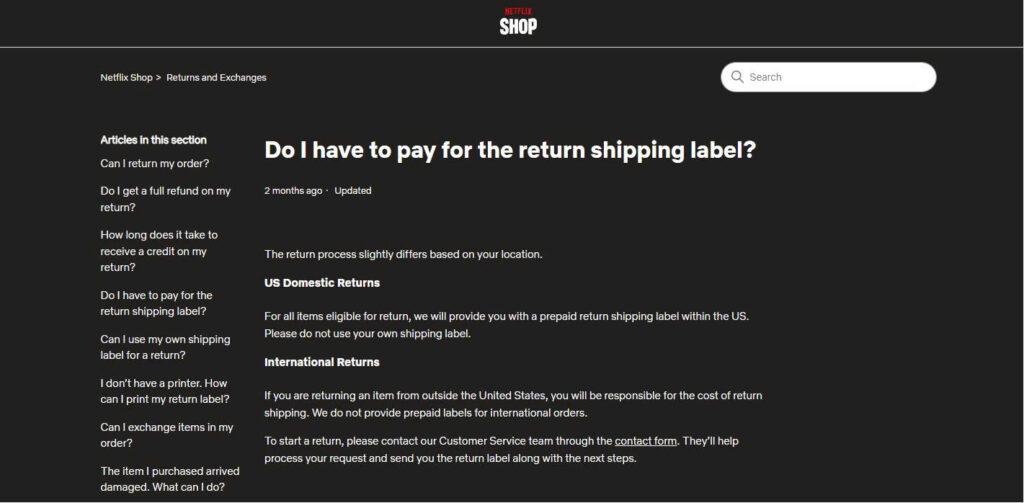
| International Return Shipping | Buyer pays out-of-pocket (40 USD) | Seller provides prepaid return label (0 USD) |
| Merchant Restocking Fee | 20 percent restocking fee (20 USD) | Zero restocking fees (0 USD) |
| Import Duties / Taxes | Non-refundable local tax (15 USD) | Non-refundable local tax (15 USD) |
| Total Loss in Return Scenario | 75 USD total out-of-pocket loss | 15 USD total out-of-pocket loss |
A slightly cheaper online store can quickly become significantly more expensive if product returns occur. Calculating return freight responsibilities, restocking fee penalties, and original shipping fee refund policies ensures that buyers select merchants offering genuine long-term value.


