 0
0
 0
0
When an internet broadcast or livestream disappears, viewers often assume that the creator permanently deleted the video. In reality, missing streams stem from several technical factors: automated platform storage expiration, privacy redactions, unpublished draft settings, or copyright edits leading to a brand-new reuploaded video asset.
Locating a missing broadcast requires analyzing platform-specific Video-On-Demand (VOD) retention policies, verifying official channel clips, understanding post-deletion editing workflows, and identifying legitimate reupload destinations.
Technical Causes of Livestream Deletion and Platform Retention Rules
A missing livestream page represents specific technical and administrative conditions within the platform’s backend infrastructure.
Platform Retention Tiers and Automated Storage Expiration
Platforms manage live broadcast recordings according to strict technical rules and account tiers:
- YouTube Storage Parameters: YouTube automatically processes and archives completed streams under twelve hours in duration. Streams exceeding the twelve-hour threshold may fail to process entirely or suffer partial recording losses.
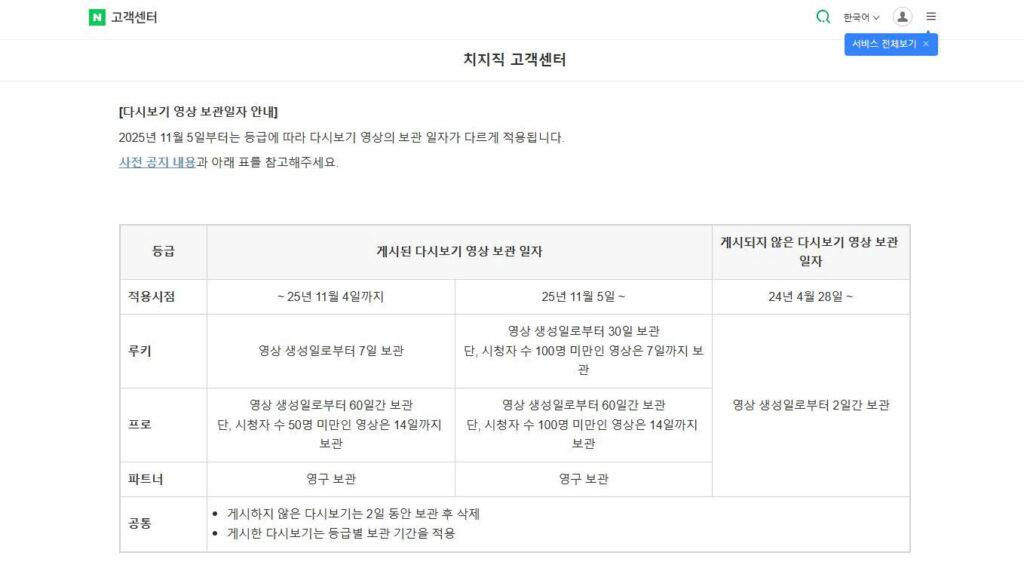
- CHZZK Storage Tiers: Published VOD retention periods depend directly on channel partnership tiers. Livestreams left unpublished by the streamer are permanently deleted after two days, whereas partner-level channels receive permanent VOD storage under active policies.
- Privatization and Deletion: A deleted YouTube video is permanently removed from search indices, whereas privatized or unlisted videos remain stored on platform servers with restricted access.
Technical Limits on Unsaved Favorite Lists and Server Deletions
Adding a livestream link to a user’s browser “Favorites” or platform playlist does not save media content offline. User bookmarking tools save location pointers, not video files. When a creator or platform deletes a source video, saved bookmark links fail, and playlist entries turn into unplayable grayed-out items.
Clip Search Scope and Timestamp Navigation Backlinks
When full VOD archives are unavailable, short clips and highlights often preserve critical moments from the original broadcast.
Searching for official clips involves combining specific metadata parameters, including broadcast dates, guest handles, featured video games, and exact quote keywords. On platforms supporting interactive clipping, official clips preserve timestamp jump links, allowing viewers to click through directly to the exact moment within the primary source VOD if the full video remains active.
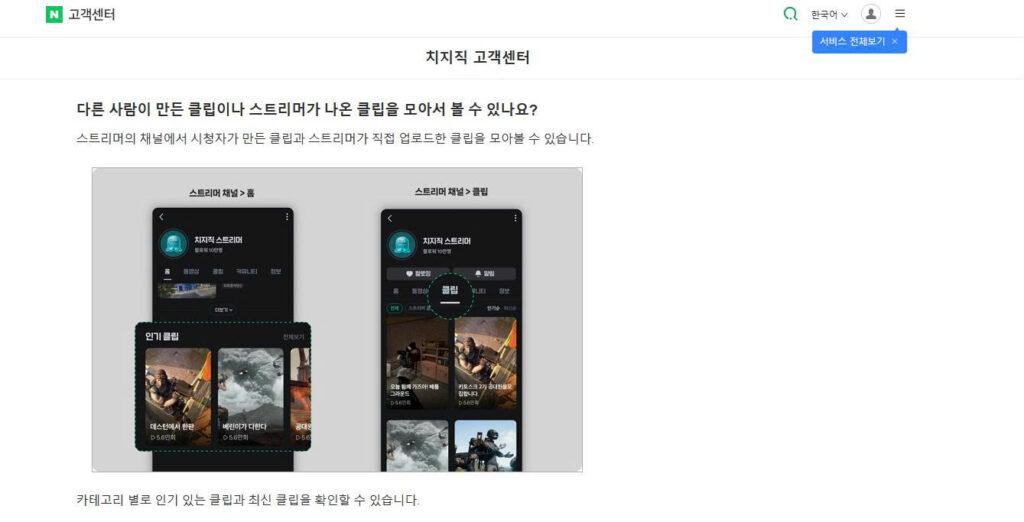
Furthermore, platforms distinguish between official channel-approved clips and unverified fan clips. If a streamer disables clip creation tools in their channel settings, the absence of clips indicates a channel policy preference rather than proof that the livestream never occurred.
Post-Deletion Reupload Workflow and Editorial Redactions
When a raw livestream containing copyrighted background music, accidental personal identifiable information (PII), or technical glitches is removed, creators often execute post-deletion reupload workflows.
On platforms like YouTube, an existing video file cannot be overwritten while retaining its original URL address. Once a raw broadcast is deleted, any newly edited version (with muted background tracks or redacted scenes) receives a completely new URL address. Consequently, expired bookmarks pointing to the old URL will return error prompts even after an official edited version is successfully published. Viewers must search the creator’s recent upload library for new video assets rather than continuously refreshing broken legacy links.
Content Version Matching Parameters and Format Distinctions
Connecting a search result to the original broadcast requires evaluating video duration, upload dates, and editing structures.
| Video Format Category | Typical Duration and Structure | Narrative Completeness | Secondary Search Value |
| Full VOD Archive | Unbroken recording matching full stream runtime | Complete tactical and conversational context | Contains raw unedited footage and live chat logs |
| Official Edited Reupload | Trimmed recording with muted audio or redacted scenes | High narrative value; minor technical cuts | Permanent official replacement asset under a new URL |
| Curated Highlights | Short summary video (5 to 30 minutes) | Covers key goals, saves, or major event turns | Fast outcome summary; lacks full event continuity |
| Short Clip / Focus Cam | Brief focal point (15 seconds to 3 minutes) | Isolates one specific scene or individual reaction | Useful for verifying specific statements or plays |
Platform Selection Criteria for Archive Viewers and Live Chat Enthusiasts
Viewers who regularly research past broadcasts must evaluate streaming platforms based on archival features, chat synchronization, and search filtering depth.
For live chat enthusiasts, platforms maintaining synchronized chat replays offer a richer viewing experience by preserving audience reactions alongside video playback. Reviewing our guide on Separate Chat and Viewer Counts in Multistreams clarifies why each streaming destination maintains its own independent audience metrics, chat logs, and VOD retention rules even when a creator broadcasts simultaneously across multiple platforms.
For archive-focused researchers, platforms supporting extended VOD retention periods, detailed timestamp chapter markers, and robust search filters offer superior long-term utility. When official VODs remain missing, viewers should exercise extreme caution regarding third-party fan archive websites. Unofficial portals demanding browser extension installs, media player downloads, or credit card details to “unlock” deleted streams present severe malware and phishing risks. If an official replay remains unavailable, submitting a direct technical inquiry to the creator’s official support channel or management team remains the safest method to verify whether an official reupload is planned.


